Success and failure

img_0712You win some you lose some. I guess that’s just how it goes. When you are painting everyday, you’ll love some of the results and some not so much. And when you are painting and posting everyday, you end up sharing both the successes and the failures.
img_0904

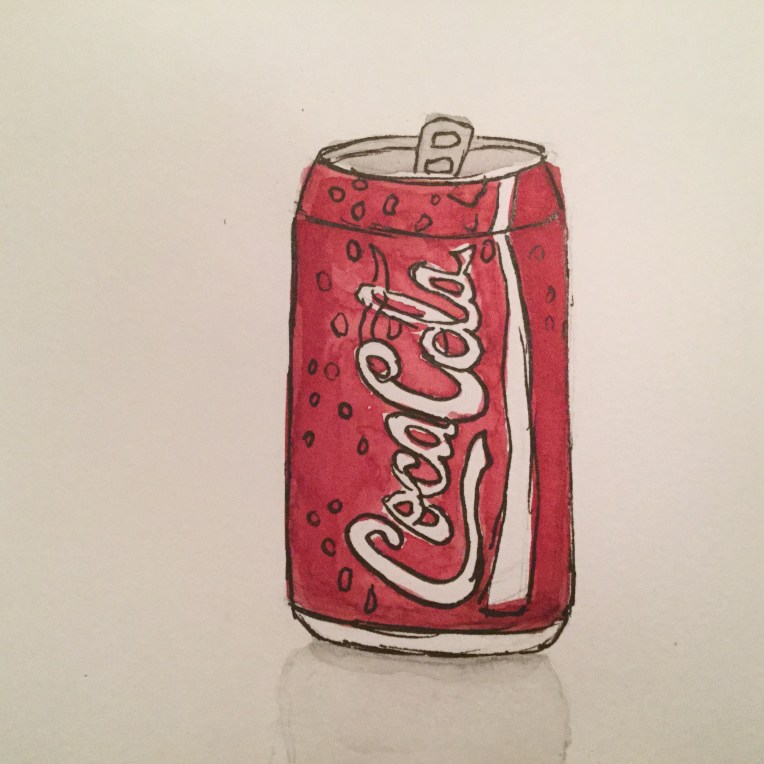
If I was the Ref I’d call my bundt cake a win and my Coke can a loss. I usually try not to share too much about what I think about my final results. Early on in my blog, I got a comment that said stop whining and putting yourself down. I was initially very hurt by the comment. But I tried to see the message behind it. I was being very hard on myself and was often presenting my work with my own negative commentary.

I’m often hardest on a project right when I finish it. After a little time passes I see it differently. To post a project and list all the things wrong with it, was selling myself short. After that infamous comment I stopped doing that. It was an internal shift for me as well because I started focusing more on my achievements, instead of apologizing for my shortcomings. The Coke can isn’t my best but it is the 19th painting on the heels of 31 days of ink drawings, so I’m patting myself on the back for that and getting to work on today’s painting. 😀

The History of the Nutcracker

I’ve been drawing and designing Nutcracker patterns and now a Nutcracker enamel pin, but I realized I knew little about the history of the nutcracker. I set out to change that and am sharing with you what I learned. The following information is from the website of the Nutcracker Museum, located in Leavenworth, Washington.

“Standing wooden nutcrackers in the form of soldiers and kings were shown in the Sonneberg and Erzgebirge regions of Germany by 1800 and in 1830, the term “Nussknacker” appeared in the dictionary of the Brothers Grim. It was defined as often in the form of a misshaped little man, in whose mouth the nut, by means of a leaver or screw, is cracked open.

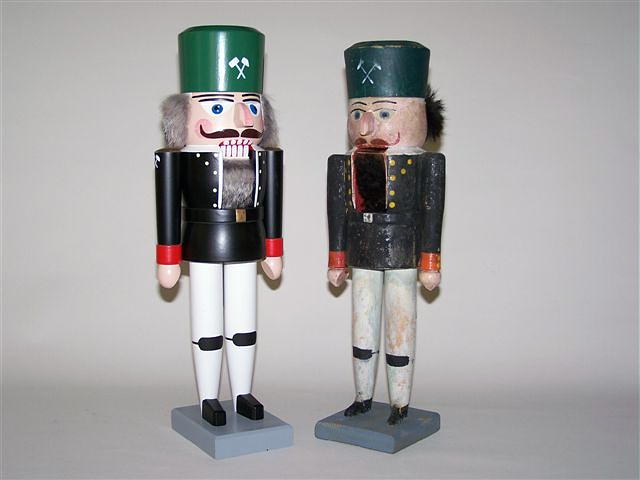
In 1872 Wilhelm Fuchtner, known as the father of the nutcracker, made the first commercial production of nutcrackers using the lathe to create many of the same design. The Leavenworth Nutcracker Museum shows an 1880 miner of Wilhelm Fuchtner along with a miner presently made in the Fuchtner family workshops.

Image courtesy of the Leavenworth Nutcracker Museum

Today many wooden toy soldier nutcrackers are manufactured in Germany to meet the demands of the many collectors in the United States. This interest is renewed each year by the many productions of the Nutcracker Ballet. Collectors can now find designs in the characters from the ballet as well as hundreds of other designs.”

To read more on the history of nutcrackers click here.

You can purchase my new Nutcracker enamel pin by clicking the buy button below.
7cf60d45-e0e1-4084-8eea-87499dd2f017-13176-00001234aac66115_tmp
PayPal - The safer, easier way to pay online!
Currently shipping only in the continental U.S.

My nutcracker pattern and other holiday patterns are available here.

nutcrackerasfabric

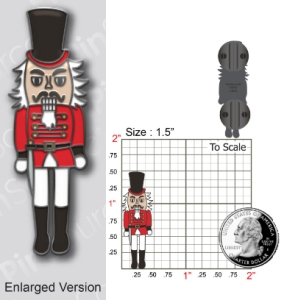
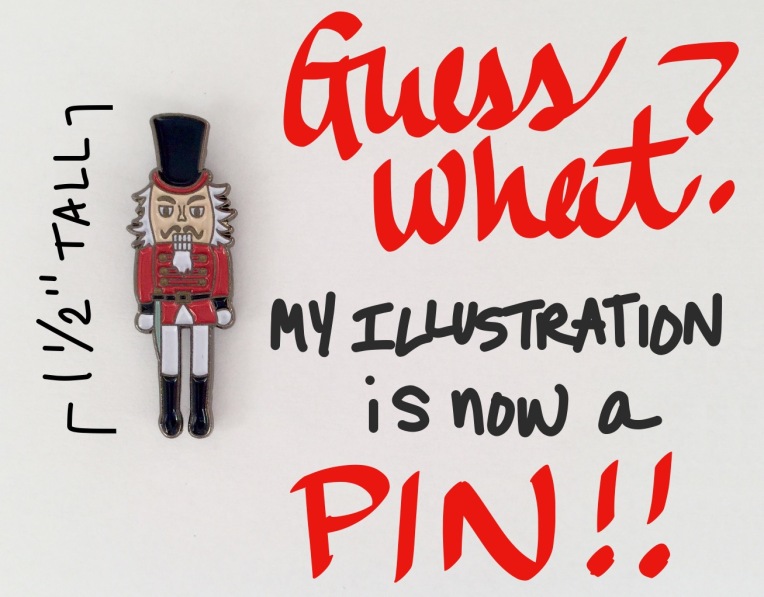
Nutcracker Enamel Pin {and the story behind it}

img_0850
I love working in my sketchbook. There’s no pressure, I’m just playing around and having fun. The more I work at it, the more I love these loose fun illustrations. I’ve been using illustrations from my sketchbooks to create repeating patterns. And now for the first time, I’ve turned one illustration into an enamel pin! Click here to order a Nutcracker Pin.

7cf60d45-e0e1-4084-8eea-87499dd2f017-13176-00001234aac66115_tmp
Currently shipping only in the continental U.S.

For awhile I had been was thinking, “What else – besides patterns – could I make with my favorite illustrations?” Years ago I thought about buttons, but I never moved forward with the idea. Then, a few months ago I began seeing enamel pins on Instagram. I loved the idea! My nutcracker seemed like the perfect illustration to use.

I had no idea where to go for a pin and wanted a recommendation so I emailed an organization I belong to – Craft Industry Alliance – and inquired about having pins made. One of the founders, Abby Glassenberg, has her own pin, “Sewist.” The other founder, Kristin Link, emailed me back and said, “Check tomorrow’s journal.” How coincidental that the following day the CIA journal included an article about having pins made, that included a list of vendors. It seemed like my nutcracker pin was meant to be! I hope you like it!

6898c275-bb0a-4ce6-952b-ef2bf4215d00-13531-000012914c925d58_tmp
Craft Industry Alliance is a new kind of trade organization for makers, suppliers, designers, and pro bloggers. Their mission is to be a trusted source of industry information, creative inspiration, and community for craft professionals.

They’re working to help their members:

  • Stay current on industry news, trends, and opportunities
  • Make connections with other small business owners
  • Develop viable business models
  • Achieve profitability
  • Run their businesses according to their own standard of ethics

To add ink or not to add ink? That is the question.

img_0674

I have to admit, I sometimes don’t know the right answer to this question. Most often my style is to work in watercolor and add details in ink. But sometimes I hesitate to add the ink details.

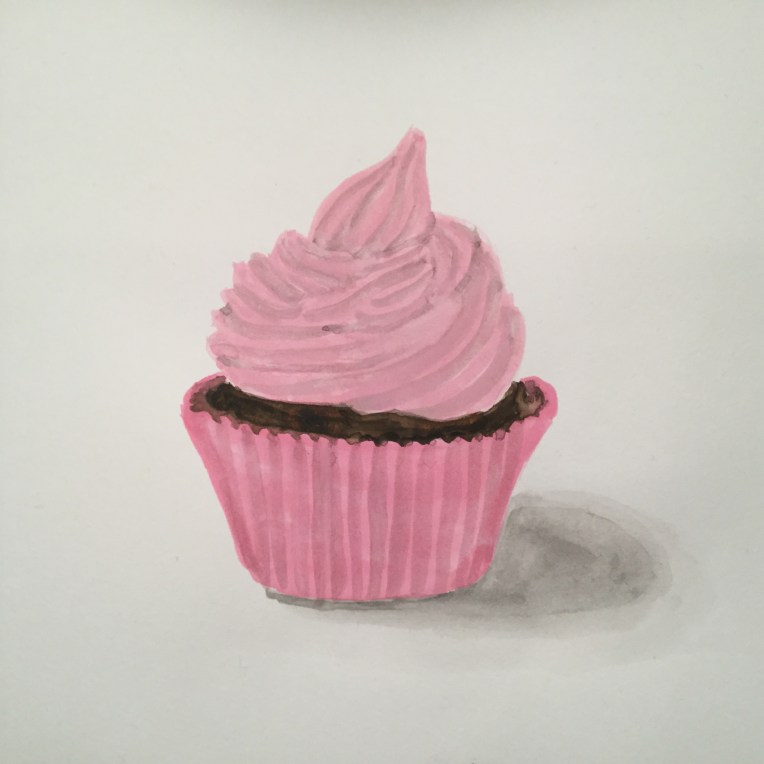
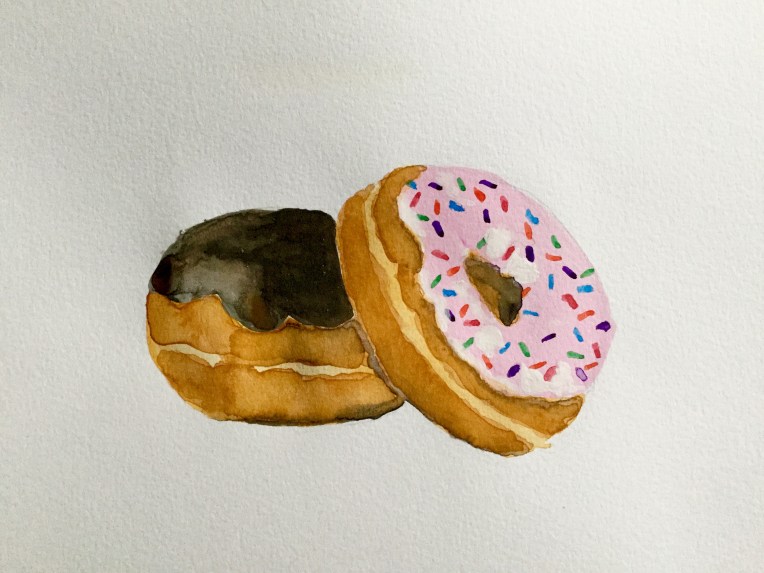
When I think about, the occasions where I question adding ink, are when I’ve added a lot of details in watercolor – a lot of layers. Sometimes the decision is easy. The painting looks finished, like these donuts. Other times I’m not sure – like the cupcake above.

img_0655

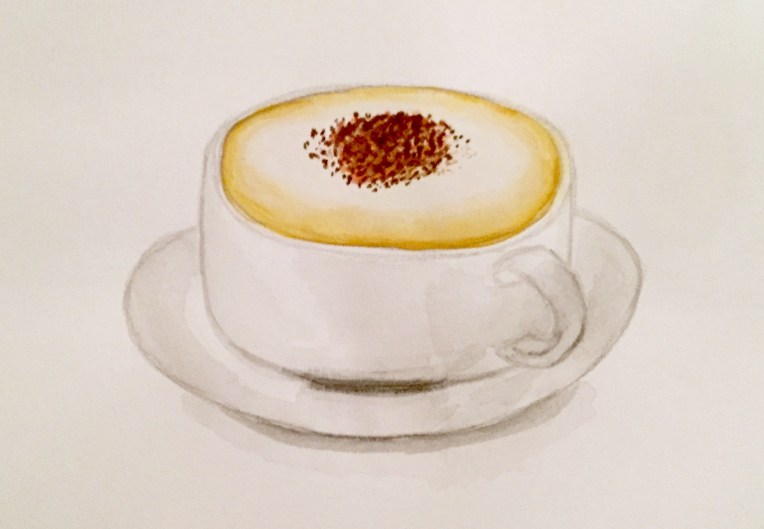
Adding the ink is definitely a different look. Just watercolor is softer and sometimes more realistic looking. Adding ink looks more illustrated, more whimsical. Like this cup of cappuccino and this ice cream sundae.

img_0669img_0677

One thing is for sure – once a line of ink is added, there’s no turning back. I often think of scanning and printing a painting and adding ink details to the printout. This way I can make sure I like it before touching the original painting.

InkTober recap

Participating in InkTober was a great motivator. I got into the habit of working daily which was great. I didn’t follow the prompts but worked on what inspired me. I held off on adding Watercolor to my ink sketches, but towards the end I gave in. And purely by chance I got to meet the creator of InkTober Jake Parker!

I felt so good about doing all 31 days that this month I’m following the World Watercolor Group’s prompts. I’m glad to be back using Watercolor. Of course I’m still adding in some ink too!

Here are my favorites:

This slideshow requires JavaScript.

Painting potatoes and donuts

img_0659

Today’s painting prompt is potatoes. My parents’ parents were born in Ireland, so my mom made a lot of potatoes when I was growing up. I hated them, but I think the only food I liked were sugar cereal and candy so that isn’t saying much. I used to hide my food at dinner to make it seem like I ate. One time I pretended to drink my milk but actually was spitting my mashed potatoes into the milk. I put my unfinished milk glass in the refrigerator. Later my mom made tea and went to pour a little of my milk into her cup, but out plopped my mashed potatoes. I have come to like potatoes but rarely make mashed. Most holidays I ask my mom to bring hers.

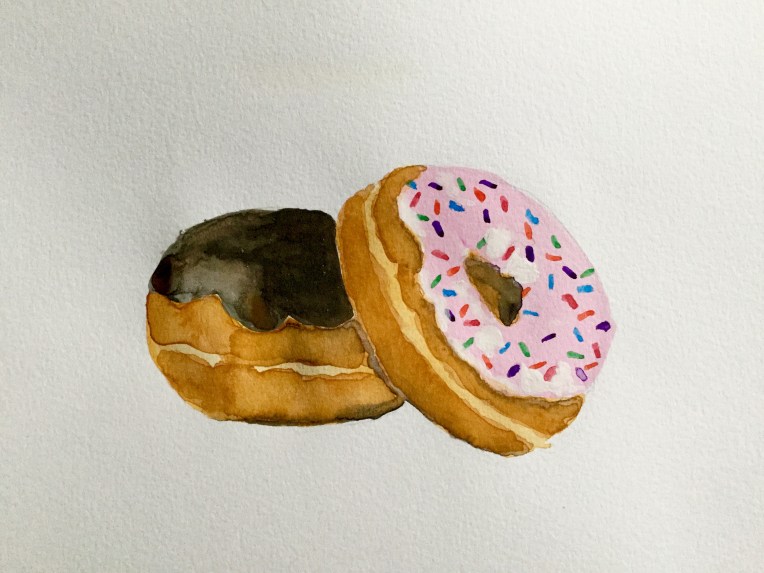
Yesterday’s prompt was donuts. I like them much better! 😄

img_0655

The story behind a painting

img_0642

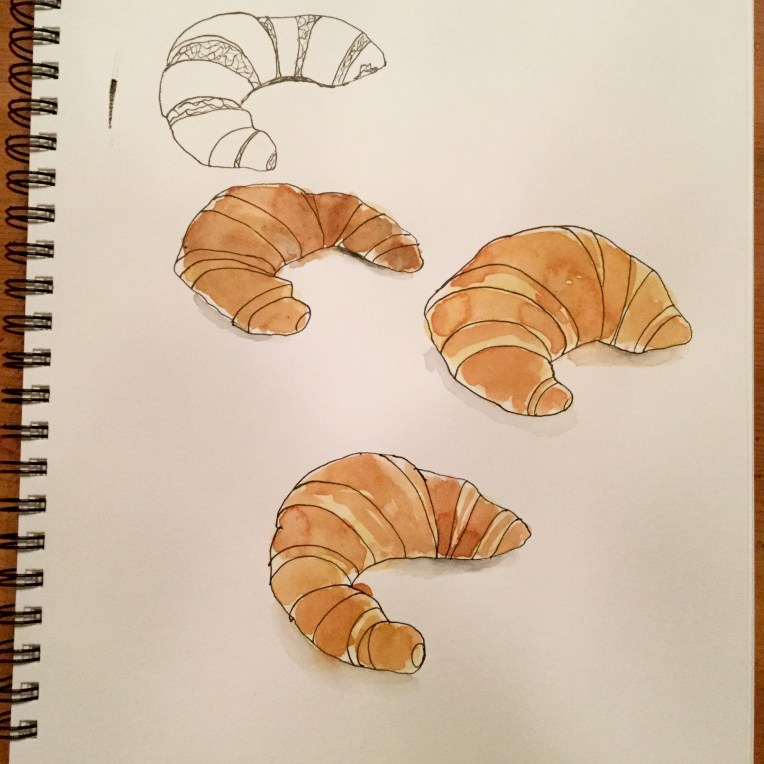
I’m participating in World Watercolor Group’s November daily painting prompts. I worked in my sketchbook all through October for InkTober, so I thought the prompts would motivate me to continue.

As I posted my “croissants” on November 1st, I thought about Charlie O’Shields’ (the founder of World Watercolor Group) posts. Charlie seems to always tell a story about his “doodlewashes.” They often make me laugh and make me think of stories of my own. Here’s what I posted on the 1st:

“In the spirit of Charlie the founder of the World Watercolor Group, here’s a story to go with my croissant. In my early 20s my friend and I were backpacking in Europe and went to a small town in the south of France. At an outdoor cafe I ordered a croissant. With my New York accent it sounded more like “crescent.” The waiter insisted we pronounce it correctly before he would bring them. If I remember correctly croissant is pronounce more like qua-sant. It wasn’t a bad lesson for me. At the time I honestly thought everyone must speak some English. By the way the waiter in Czechoslovakia didn’t speak any. We had no idea what we were ordering when we pointed to the menu. Imagine how happy we were when we found the McDonalds!”

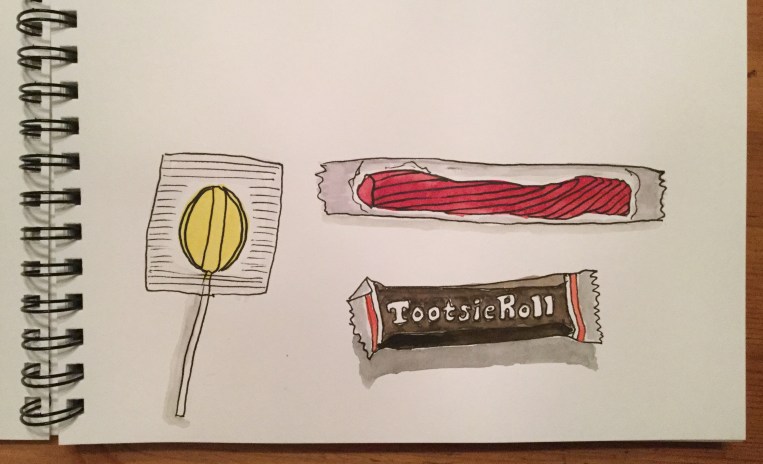
Today as I was catching up on yesterday’s painting, I was sneaking some of my son’s Halloween candy. It was totally ironic that today’s prompt is sugar candies.

img_0652

I recently interviewed Charlie O’Shields. Check it our here.

If you want to particpate in the World Watercolor Group’s November prompts you can see them here. Be sure to tell the story. 😉